All
Forget the "Squirrel!" stereotypes. In this refreshingly honest and bitingly funny article, award-winning educator and autism coach Andrea Grant pulls back the curtain on the messy, unpredictable reality of raising a child with ADHD. From accidental death-bed prophecies and "The Dys-Family" (Dyspraxia, Dysgraphia, and Dyscalculia) to the hidden struggles of fawning and social anxiety, Andrea explores why ADHD is so much more than just a lack of focus. Part memoir, part expert guide, this is a must-read for any parent or teacher who has ever had to "hustle" their child out of a room or wonder if the Ritalin is more for the teachers' sanity than the kid's. Discover how shifting strategies at home turned an aggressive phase into a journey of empathy, tuckshop math wizardry, and survival.
Read More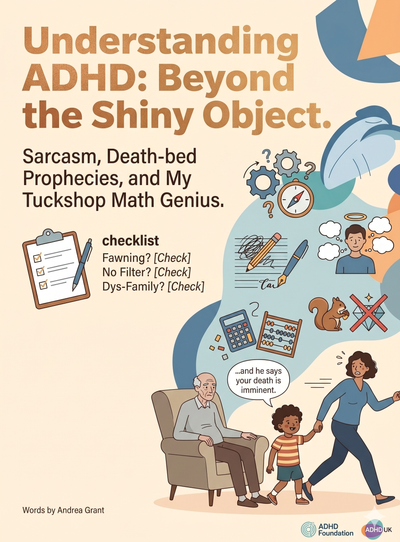
Forget the "Squirrel!" stereotypes. In this refreshingly honest and bitingly funny article, award-winning educator and autism coach Andrea Grant pulls back the curtain on the messy, unpredictable reality of raising a child with ADHD. From accidental death-bed prophecies and "The Dys-Family" (Dyspraxia, Dysgraphia, and Dyscalculia) to the hidden struggles of fawning and social anxiety, Andrea explores why ADHD is so much more than just a lack of focus. Part memoir, part expert guide, this is a must-read for any parent or teacher who has ever had to "hustle" their child out of a room or wonder if the Ritalin is more for the teachers' sanity than the kid's. Discover how shifting strategies at home turned an aggressive phase into a journey of empathy, tuckshop math wizardry, and survival.
Read More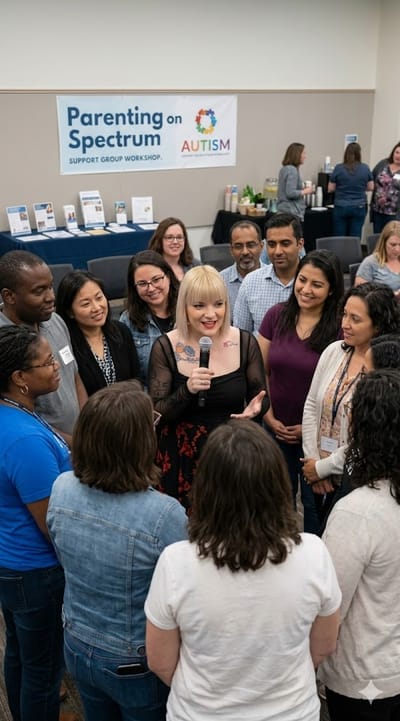
The Reality of the "Inclusive" Playground While bullying is often minimized as a childhood rite of passage, for neurodiverse children—especially those with Pervasive Demand Avoidance (PDA) and autism—it is a daily barrier to education. High-stress environments often exacerbate "visible" neurodivergent traits like stimming or palilalia, leading to social exclusion rather than support. Navigating a Neurotypical World Drawing from 20 years of expertise and lived experience as a mother, I explore the challenges of context blindness and the intense labor involved in teaching neurodiverse children to navigate everyday tasks. From mastering a simple trip to the shops to managing "foot-in-mouth" moments in social settings, neurodiverse kids are often working twice as hard just to stand still. The Mission: Ground-Up Education The burden of "fitting in" should not rest solely on the child. This article highlights the vital importance of: Social Stories & Toolsets: Equipping kids to navigate neurotypical environments. School Advocacy: Moving beyond "inclusive" labels to genuine understanding. Malleable Kindness: Teaching neurotypical peers to embrace differences from an early age. The Bottom Line We must stop trying to fit square pegs into circular saws. By spreading knowledge and fostering acceptance in schools today, we can prevent the long-term psychological "scarring" that carries into adulthood.
Read More
"Life as a PDA and ADHD specialist in Cape Town is basically living in a sitcom. Between the dinosaur roars and the two-minute noodle drama, yesterday was one for the books..."
Read More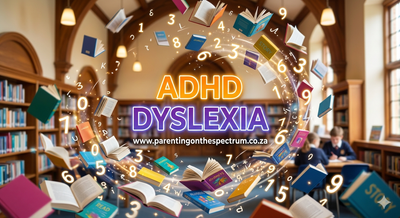
The Brilliant Brain, Broken Printer Paradox: Bridging the Gap Between Ability and Output When your child is "highly intelligent", but his school report is a sea of "seldoms," the frustration is real—especially when you’re the expert. In this piece, I dive into the heartfelt reality of navigating the ADHD and dyslexia "bottleneck," the exhaustion of executive functioning struggles, and why our bright, neurodiverse kids aren't "broken"—they just need a different way to show the world what they know.
Read More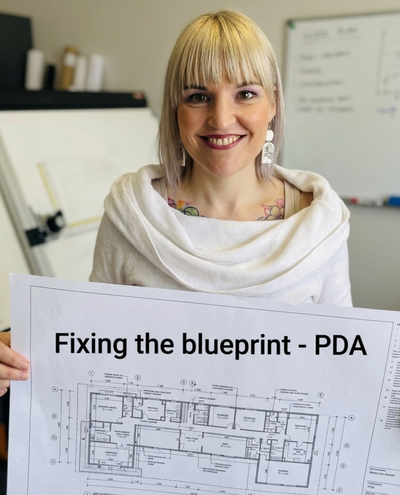
Exploring the intersection of neurodiversity and self-worth, this article dives into the "inferiority spiral" often experienced by children on the spectrum, with a specific focus on the Pervasive Demand Avoidance (PDA) profile. Blending professional insight with a dash of South African survival humour, the piece examines how traditional "pull up your socks" parenting can clash with a PDAer’s nervous system. From the "Anxiety Iceberg" to the unique cultural pressures of raising neurodivergent kids in South Africa, it offers practical strategies—like declarative language and collaborative problem-solving—to help move our children from a place of feeling "broken" to feeling empowered in their own unique autonomy.
Read More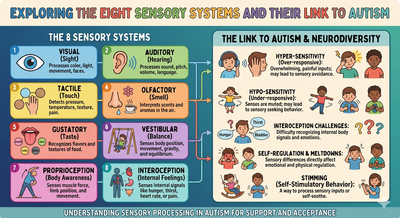
Ever wonder why your neurodivergent kiddo treats the hallway like a bumper car track? 🏎️💨 If you’ve ever had your pedicure ruined by a "bounding" child or wondered why your teen can’t tell you where it hurts until it’s a medical emergency, welcome to the world of the 8 Sensory Systems. We all know the "Big Five," but for my eldest, Olivia, the real stars are Proprioception (body awareness) and Interoception (internal signals). When these systems are under-responsive, life looks like: 🖼️ Double-sided tape on every picture frame. 👣 My big toe acting as a permanent speed bump. 🏥 "I don't feel well" meaning "I'm literally dying" or... nothing at all. But understanding these senses changed everything. It’s why we do co-regulation hugs (the "panini squish") and why I’m vocal about my own sensory limits. I grew up in a house where affection was invisible; now, we verbalize everything—even when I’ve reached capacity for 3-hour Roblox/conspiracy theory lectures. 🛑✋ Being a human is hard. Parenting is harder. Understanding the science makes it just a little bit more manageable. Read the full breakdown of the 8 systems on the blog!
Read More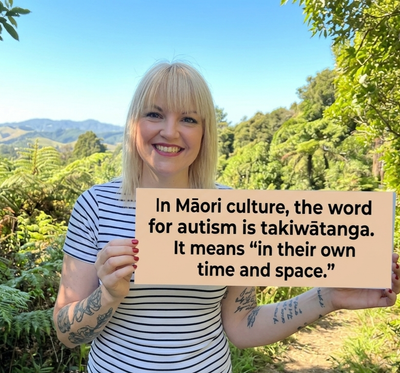
Ready to stop the "broken brain" myth in its tracks? 🧠✨ From my own childhood hurdles to raising a house full of neuro-sparkle, I’m diving deep into the messy tango of Nature vs. Nurture. How do we keep our kids' self-esteem intact when their "Nature" (ADHD, PDA, Dyslexia, and the rest!) feels like a constant uphill battle? It’s about more than just "positive vibes"—it’s about tactical parenting, "Autism Ninja" moves, and drowning out the negative noise with realistic, fierce affirmation.
Read More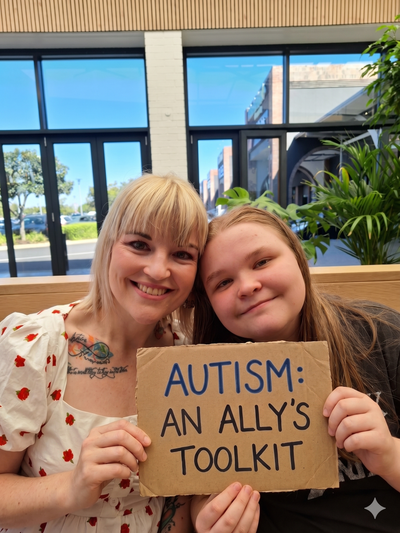
Ever wonder why some kids find the simplest classroom tasks overwhelming? 🧠✨ It’s not "bad behavior"—it’s often just a different way of processing the world. Whether it’s the intense survival response of PDA or the "bucket overflow" of Sensory Overload, our neurodiverse kids are often navigating a world that wasn't built for their specific "wiring." As parents, we have a beautiful opportunity to teach our neurotypical kids how to be the bridge. When we move from judgment to curiosity, we teach our children how to be the "safe humans" the world needs. Check out the full guide on how to help your child understand their neurodiverse peers and build a more inclusive playground! 🤝🌍
Read More