Loving and supporting a Teenager with Pervasive Demand Avoidance
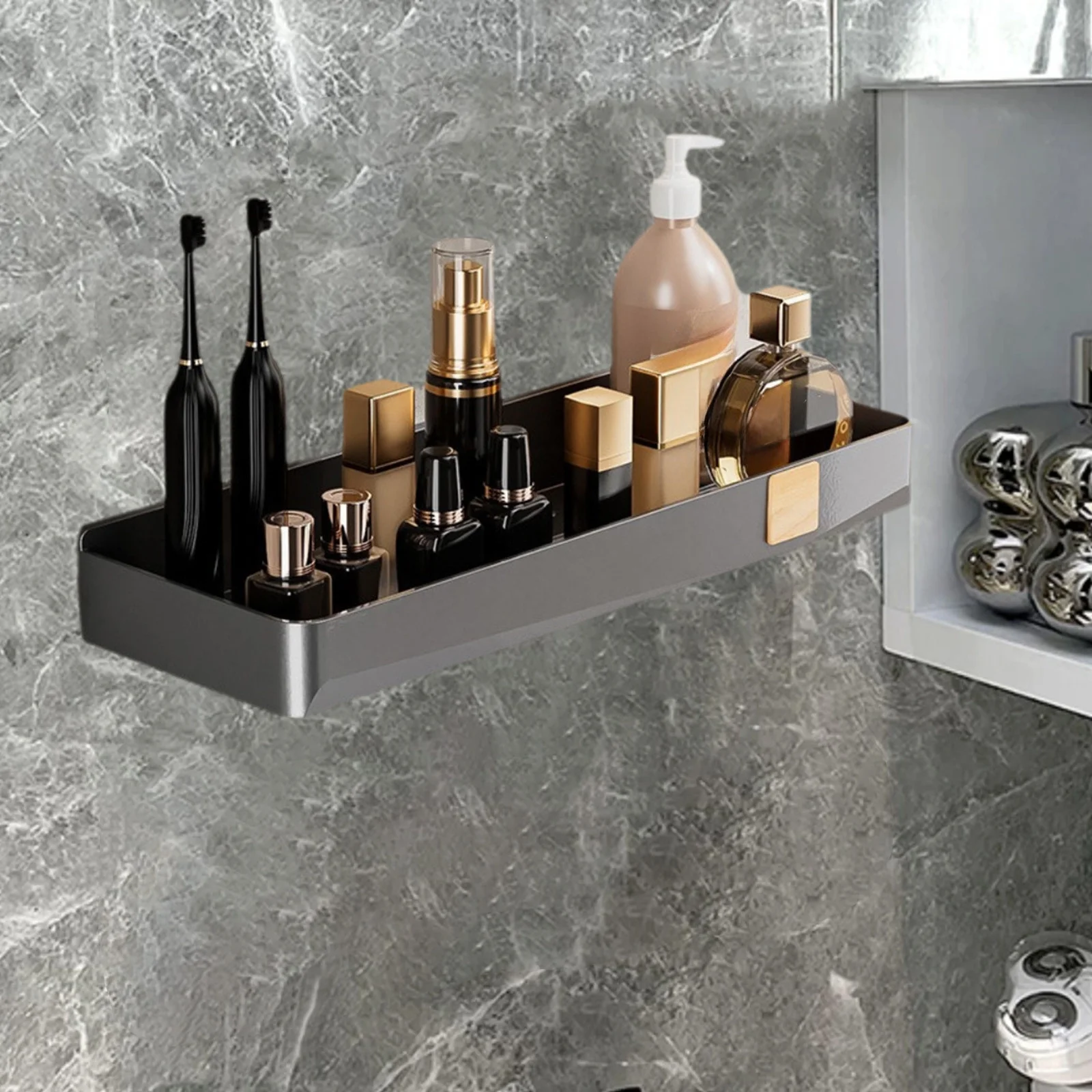
It’s in the second bathroom shelf that I see our victory. A bottle of scented body wash, a texturizing spray, a face cleanser. To most parents, this is just a teenager’s clutter. To me, it’s a monument to a decade of patience, understanding, and learning a language of care I never knew existed. If you follow my pages, you will know my daughter has Pervasive Demand Avoidance (PDA), a profile on the autism spectrum.
The clinical definition talks about an anxiety-driven need to avoid the everyday demands of life. But the lived definition, our definition, was a childhood of standoffs over things other families take for granted: brushing teeth, putting on shoes, washing hair. The mere suggestion of a task could trigger a primal panic, a feeling of her autonomy being so threatened that her entire nervous system would revolt. We’ve navigated a long and winding road from those days.
She’s a teenager now, and the external demands have morphed from hair-washing into the more complex pressures of schoolwork, social expectations, and the internal, relentless demand of simply being in a body that often feels like a cage.
The "Yucky" Feeling: When Words Aren't Enough Lately, we’ve hit a dip. After a period of doing remarkably well, the ground has shifted. She’s been withdrawn, the spark in her eyes dimmed. I fell into the classic parenting trap of trying to label it. "Are you sad?" I’d ask. "Are you angry? Irritable?" These words, I’ve learned, are often incomprehensible to her, or mean something entirely different than they do to me. The emotional thesaurus I’ve relied on my whole life is useless here (which is very hard when you are an English teacher!) So, I stopped asking what she was feeling and started asking how. "Like I’m yucky," she said quietly the other day, lying across my bed. "And uncomfortable in my own skin."
The phrase hit me with a strange mix of heartbreak and recognition. I remember that adolescent feeling well—the sense that your body is wrong, that you should be thinner, prettier, just… different. My instant, maternal reaction was to spring into action. I started googling "how to build teenage self-confidence," "how to help your daughter love her body." I was looking for the fix, the magic words, the five-step plan. To my disdain, there are no fixes. The articles all circled the same truth: this is a journey she must travel. I can’t walk it for her. I can only walk beside her, holding her hand when she lets me.
From Fixing to Supporting: A PDA-Informed Toolkit Learning to support a child with PDA is about relinquishing control and becoming a creative, flexible ally. The goal isn’t compliance; it’s co-regulation and comfort. Here are the strategies that have helped us build a bridge across the demand-filled chasm. I have used them before and am now dusting them off to use again.
1. Ditch the Direct Demand (Even the Helpful Ones)
Telling a PDAer feeling"yucky" to "just take a relaxing bath" is often another demand that will be rejected. Instead, we use indirect invitations. I might run a bath for myself and mention, "The bathroom is all steamy and warm if you want to hang out in here." Or I’ll leave a new, fun toiletry on the counter without a word. The autonomy to choose—or not choose—is everything.
2. Focus on Sensory Comfort, Not "Self-Care" Goals "Self-care “can feel like a chore list. We focus on sensory input that can ground her. A weighted blanket when the world feels too big. Low-lighting instead of harsh overhead lamps. The same soft hoodie, worn to a comforting thinness (probably also chewed) . By reducing the sensory assault, we make her body a slightly more comfortable place to live in.
3. Be a Confidence Archivist Her confidence isn’t built by me telling her she’s beautiful. It’s built by me quietly noticing her competence. "I saw how you figured out that coding problem, that was really clever." Or, "I love hearing you laugh with your friend online." We collect and celebrate these tiny, non-appearance-based victories. They are the bricks that build a sense of self that isn’t tied to the "yucky" feeling.
4. Honour the Language "Yucky “and "uncomfortable in my own skin" will now be part of our family lexicon. I don’t try to translate them into my words. I accept them as the perfect descriptors of her experience. By honouring her language, I honour her truth. I said, "It sounds really hard to feel yucky in your own skin. I'm here." That validation is often more powerful than any solution.
5. Manage Your Own Demand-Avoidance I’ve realized that my need to “fix" her feelings is my own form of demand—a demand for her to be happy so that I can feel like a good parent. Letting go of that, accepting that I can’t control her emotional weather, has been my hardest lesson. I take a breath, and I just sit with her in the "yuck." I let her know she isn’t alone in it.
The journey with PDA is one of profound ups and downs. The toiletry-laden shelf is a testament to an "up." This current "down" is a reminder that the path isn’t linear. But as I watch her navigate this uncomfortable chapter, I see not a struggling child, but a resilient young person who has already overcome more than most will ever know. My job isn’t to clear the path for her, but to have unwavering faith that she has the strength to walk it herself, with my hand in hers.