Beyond the Labels: Helping Your Child Understand Different Kinds of Brains
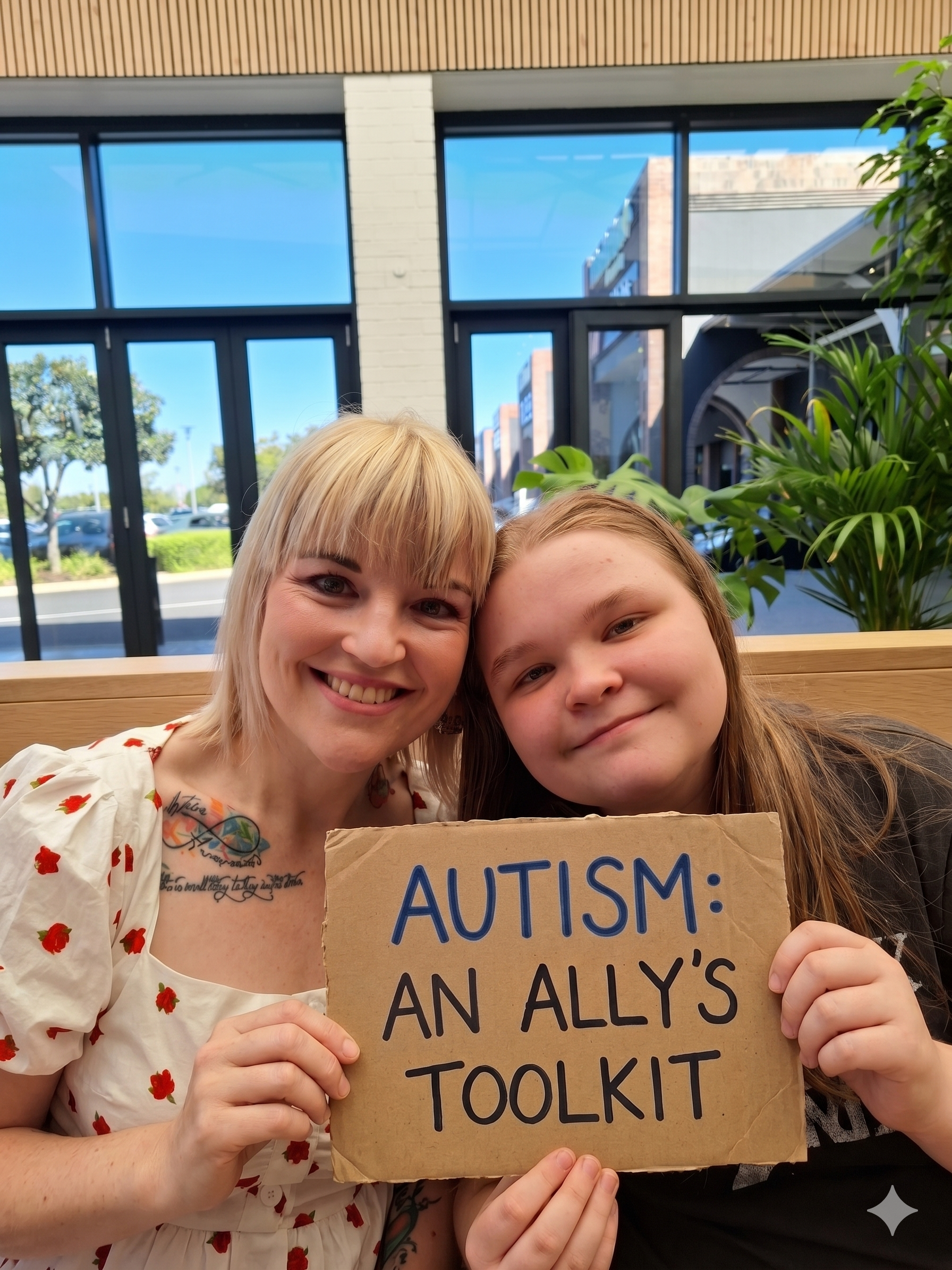
As parents, we spend a lot of time teaching our children how to share, how to be polite, and how to follow the "rules." But what happens when they encounter a peer who doesn't seem to play by those same unwritten rules? As an educator and a parent of both neurotypical and neurodiverse children, I know that these moments can be confusing for kids—and for us. By helping our neurotypical children understand why their peers might act differently, we empower them to move from judgment to empathy.
1. The "Social Script" vs. "Social Improv"
Most neurotypical children naturally pick up on social cues—they just "know" when to stop talking or how to read a room. It’s like they were born with a script for a play that everyone is starring in.
For many neurodiverse children, that script is missing. They are essentially "improvising" every social interaction. This is often called Context Blindness.
- How to explain it: Tell your child, "Imagine you’re playing a game where everyone else knows the secret rules, but no one told you. It would be pretty stressful, right? That’s what school can feel like for some of your friends."
2. Understanding PDA (Pervasive Demand Avoidance)
You might hear your child talk about a classmate who is "defiant" or "doesn't listen." If that peer has PDA, their brain is wired to prioritize autonomy and safety above all else. For a child with PDA, a simple demand—like "sit down" or "turn to page ten"—triggers a survival response. Their brain treats that demand like a physical threat, leading to a "Fight, Flight, or Freeze" reaction.
- How to guide your child: Explain that it isn't about "bad behavior." Their friend's brain is just very protective. Encourage your child to give their friend space and avoid "bossing" them, which can help keep their friend’s "alarm system" calm.
3. The "Finger Poking" Analogy for Sensory Overload
If your child mentions a peer who had a "meltdown" or was "acting out," it was likely due to Sensory Overload. Think of it like this: If someone pokes you in the arm once, it’s fine. But if you’re poked every ten seconds for four hours, you’d eventually reach a breaking point. For neurodiverse kids, the "pokes" are the humming of the classroom lights, the smell of the cafeteria, or the sound of a pencil sharpener.
- How to explain it: Ask your child, "Have you ever been so tired or frustrated that a small noise made you want to scream? For some of your peers, the whole world feels that loud all day long. When they have a meltdown, their 'bucket' has just overflowed."
4. Normalizing "Stimming"
Your child might see a peer flapping their hands, rocking, or making repetitive noises. These are called Stims, and they are a vital way for neurodiverse brains to self-regulate and stay calm.
- How to guide your child: Teach them that stimming is like a "manual reset button." It’s not something to stare at or make fun of; it’s just how their friend’s body processes the world.
Raising a "Safe" Human: Tips for Your Child
We can give our kids a "toolkit" to help them be the person who makes school a safer place:
- Protect Privacy: Teach your child that filming or laughing at a peer who is struggling is never okay. Being a protector of someone’s dignity is a true leadership trait.
- Clear Communication: Encourage your child to be direct. Instead of using sarcasm or hints, they can say, "I’m finished playing this game now," or "I would like to sit here."
- The "Check-in": If a peer looks overwhelmed, tell your child they don't need to "fix" it. A simple, quiet "You okay?" or just giving them some quiet space is the kindest thing they can do.
- Respect the "Social Battery": If they invite a neurodiverse friend to play and the friend says no, explain that it’s not personal—their friend might just need "quiet time" to recharge their battery.
The Bigger Picture
When we teach our children to choose curiosity over judgement, we aren't just helping their neurodiverse peers—we are raising more compassionate, emotionally intelligent humans. In a world where children can be anything, let’s help them be the ones who make it safe for everyone else to be themselves.